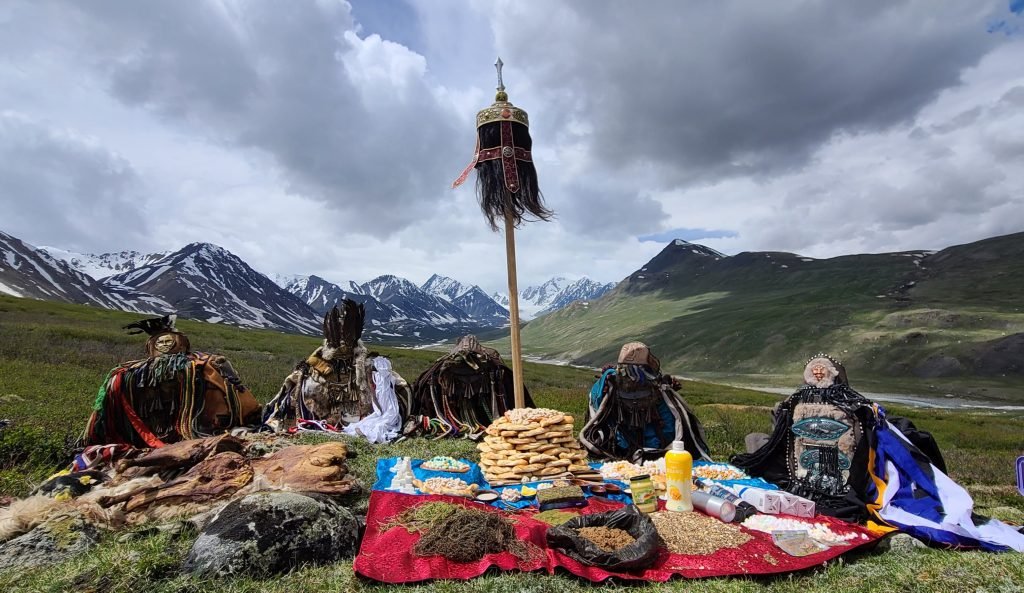

The people living in the northern region of Khuvsgul Province, specifically in the soums of Bayanzurkh, Ulaan-Uul, Renchinlkhumbe, and Tsagaannuur, call themselves Maanar, a term that means “we”.
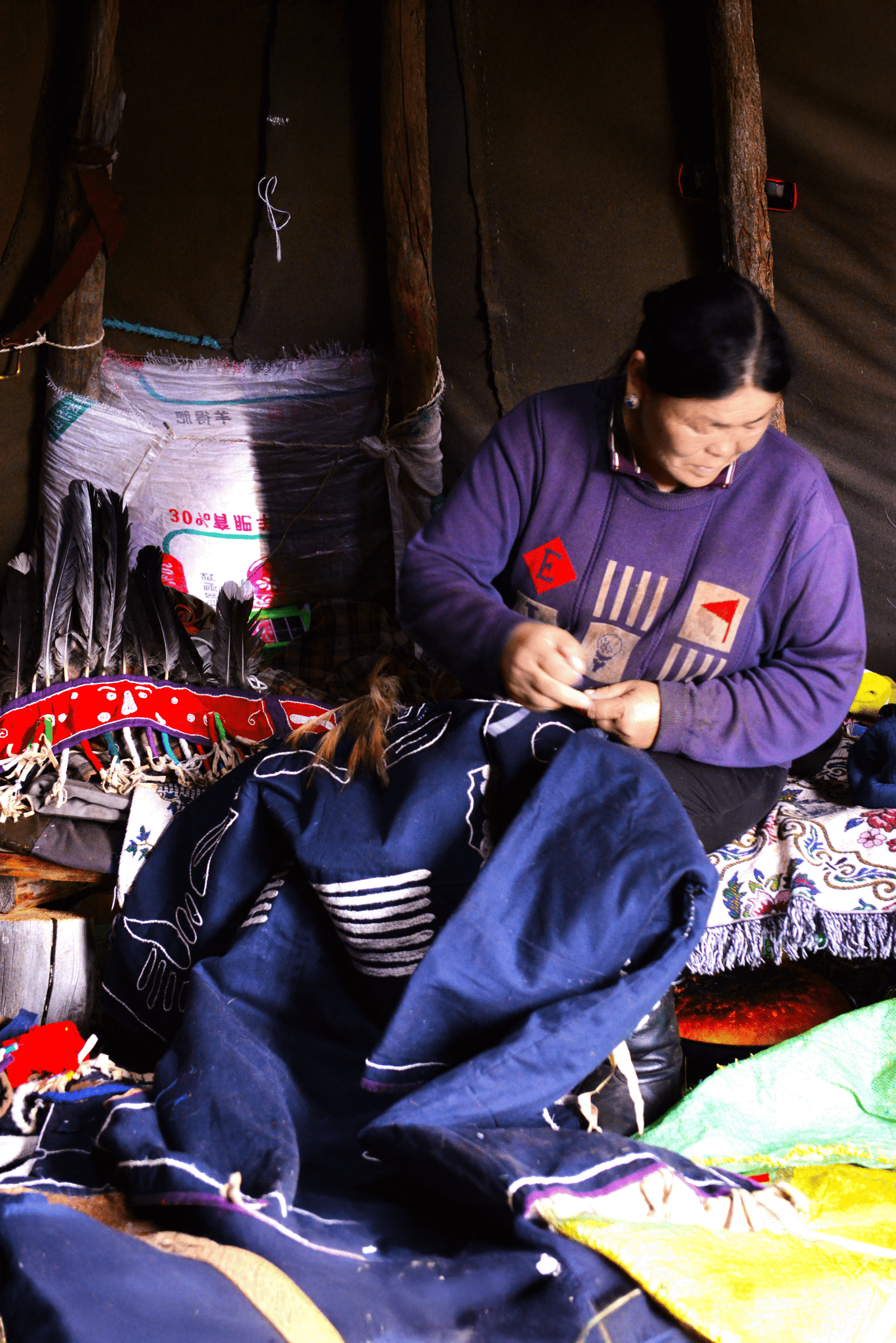
The Maanar people, residing in the Blue Hollow of Darkhad, have preserved and passed down the ancient nomadic traditions and cultural heritage of the Ergene Kun lineage to the present day.
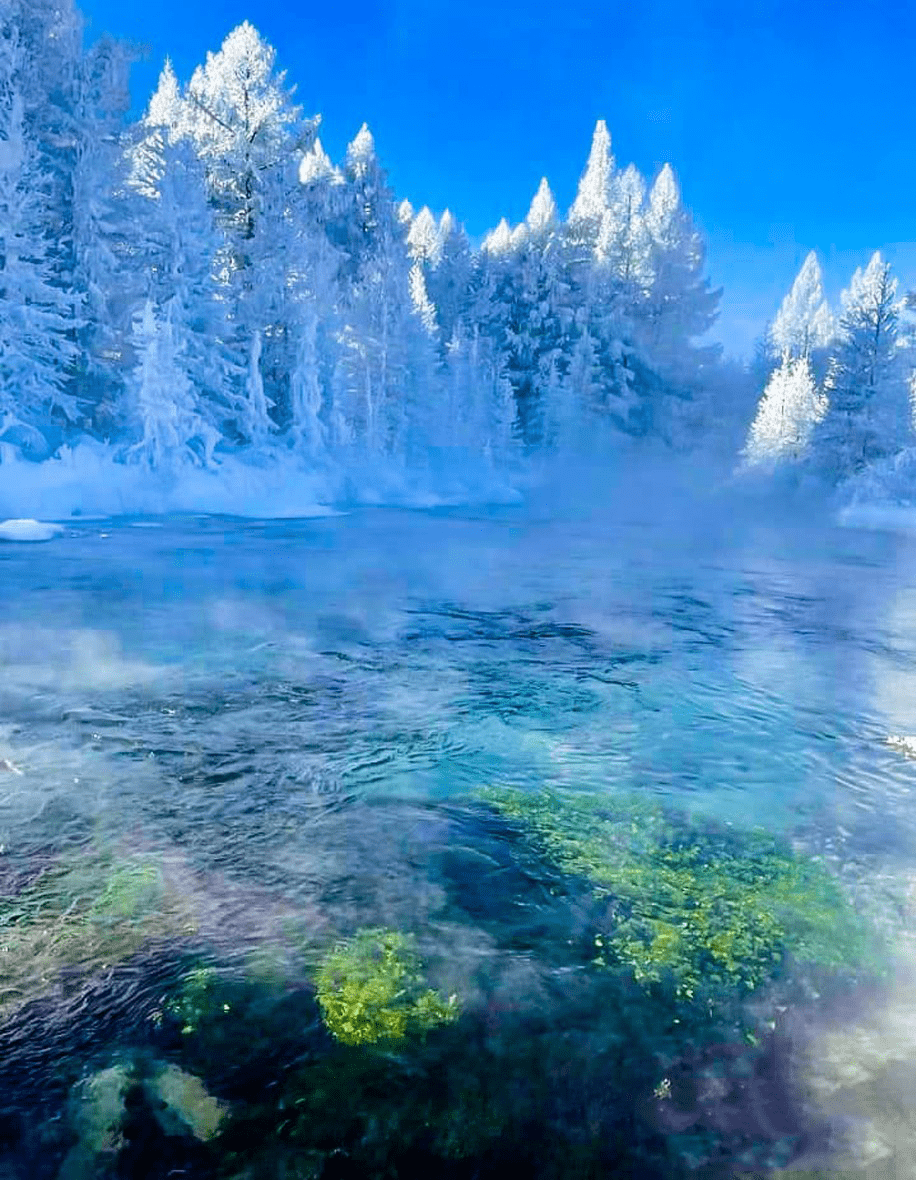
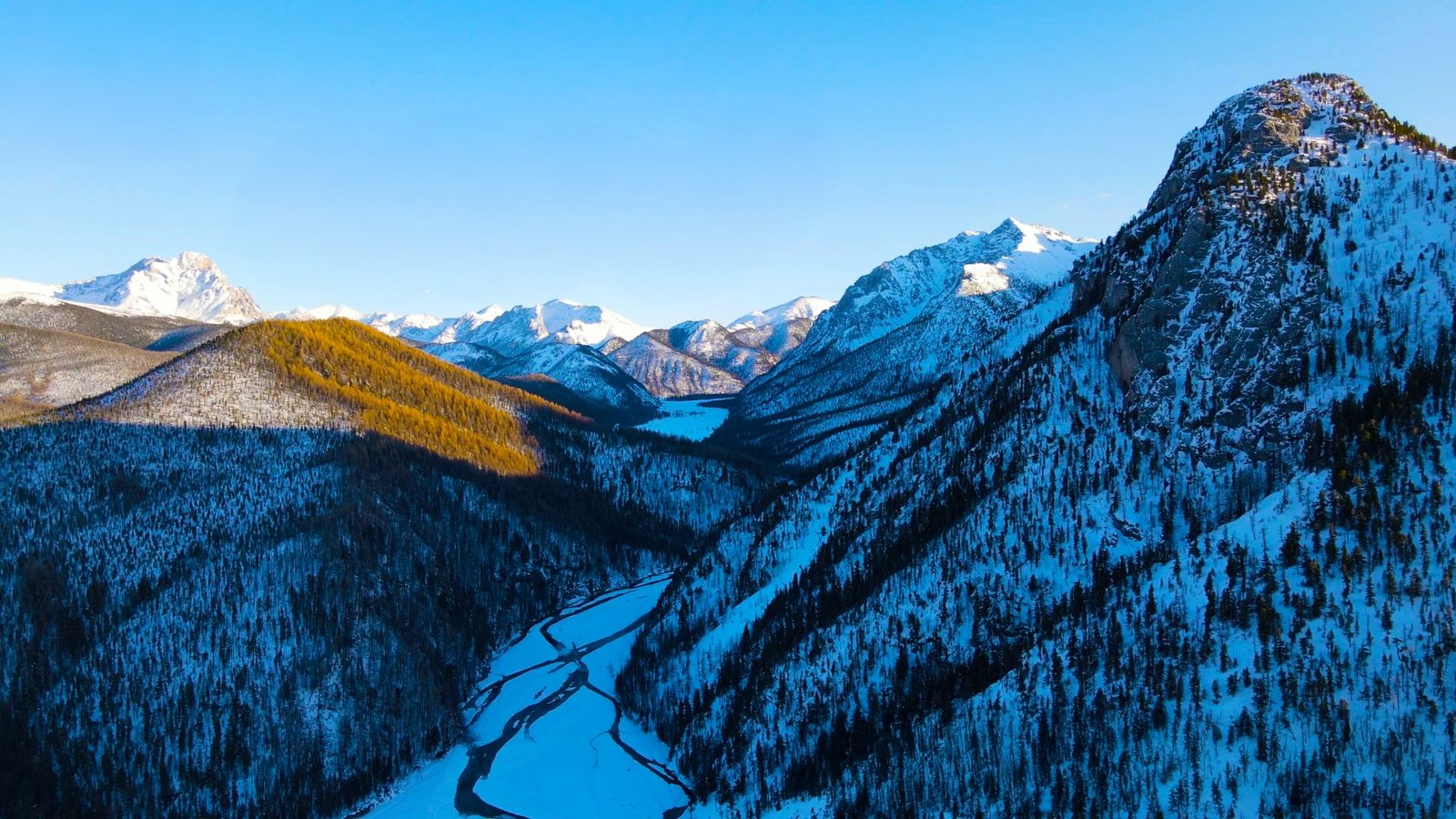
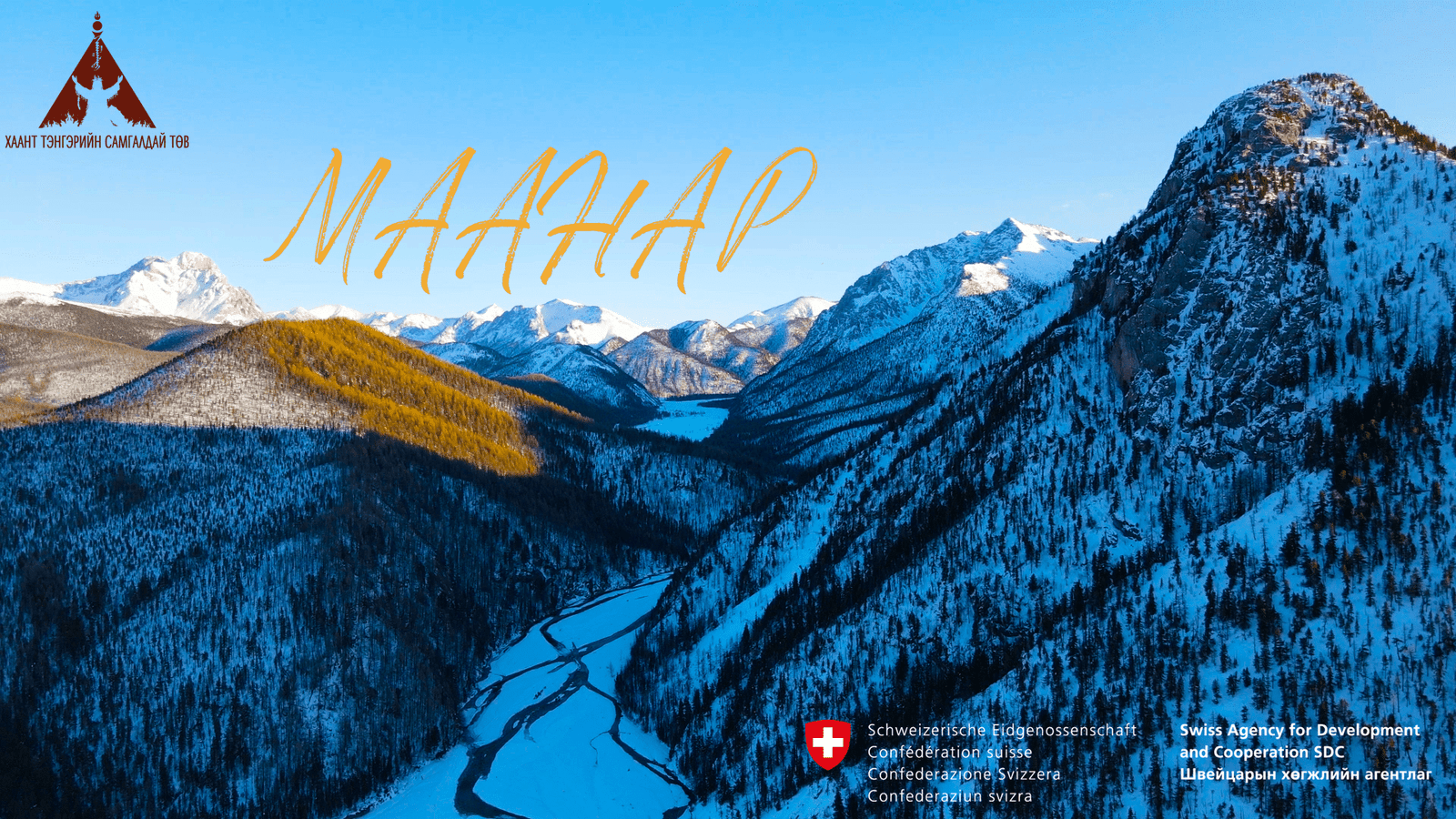
The Maanar people live in a land of breathtaking beauty, blessed with sacred mountains and ancestral spirits. In the Darkhad Depression, winter temperatures can drop as low as –50 celsius, even in such extreme cold, there flows an unfrozen river called Jargant.
Originating from the Khoridol Saridag mountain range in Renchinlkhumbe soum of Khuvsgul Province, the Jargant River is a remarkable living river where green plants and algae continue to grow throughout the winter.
The “Secret History of the Mongols” begins with the story of the Mongol ancestors Borte Chono and Gua Maral, who crossed the great sea and gave birth to their son Battsagaan on the banks of the Onon River. The “Chronicles of the Sudar” also record that Borte Chono and Gua Maral departed from the land of Ergene Kun.
Chinggis Khaan regarded this as the sacred homeland of his ancestors and granted it the distinguished right to adorn the hems of the traditional deel with a four finger wide border. The ancient nomads, through their shamanic traditions, have for centuries revered mountains, rivers, animals, and the forces of nature as sacred and divine.
The “Khaant Tengeriin Samgaldai Center” was established in 2009 with the mission of preserving and promoting the history, culture, traditions, and ancestral wisdom of the ancient nomadic peoples. For sixteen years, the center has been actively working to safeguard and disseminate both the tangible and intangible cultural heritage of Mongolia. It also performs rituals to honor and appease the spirits of mountains, waters, and the heavens, seeking peace and harmony for the state and its people.
In 2021–2022, with the support of the Swiss Agency for Development and Cooperation, the center implemented the “Maanar Project” in the Darkhad Depression. The project highlighted the history, lifestyle, and religious culture of the local people through a twelve-part documentary film and photographic exhibition, which was recognized as one of Europe’s outstanding cultural projects. Building upon this experience, the center now plans to organize the Maanar Winter Event to attract visitors and further develop cultural tourism.
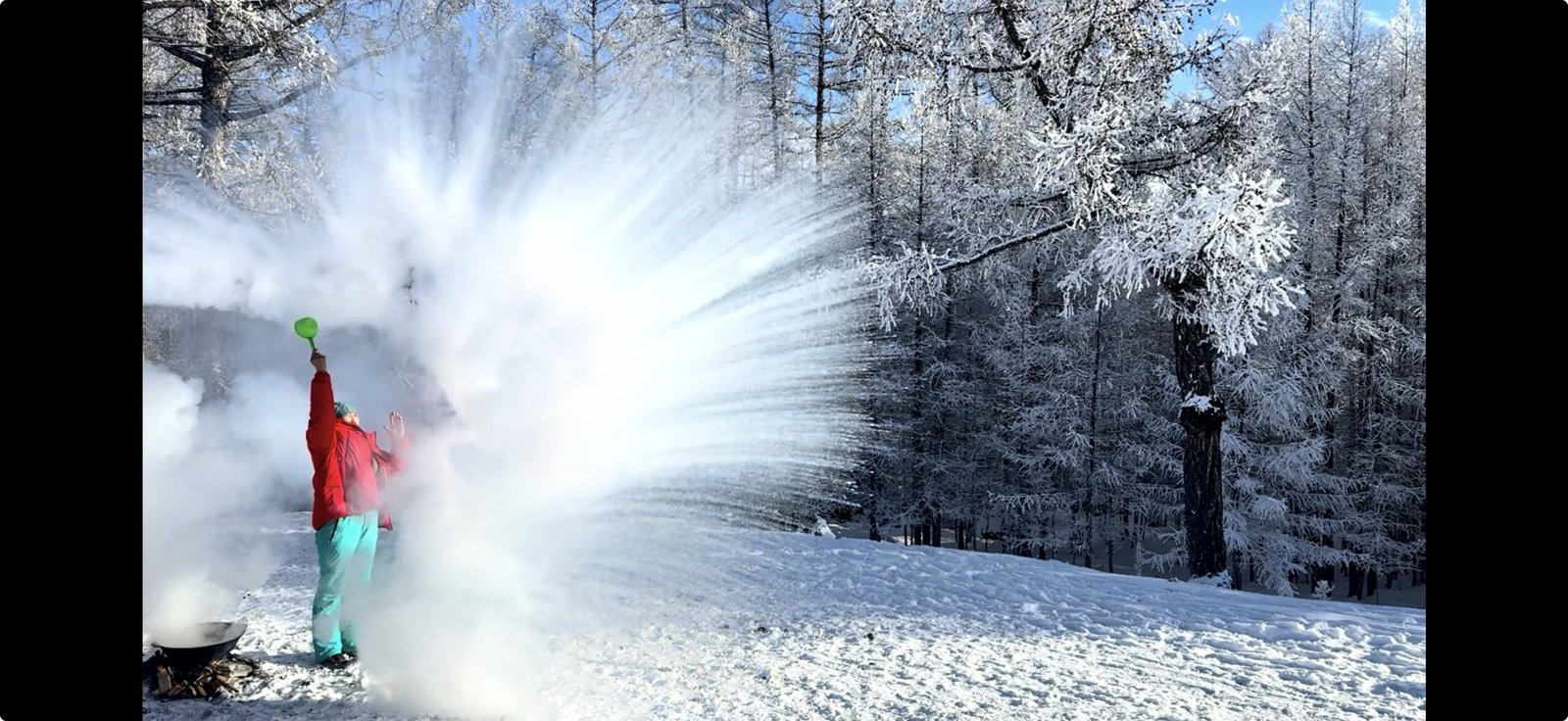
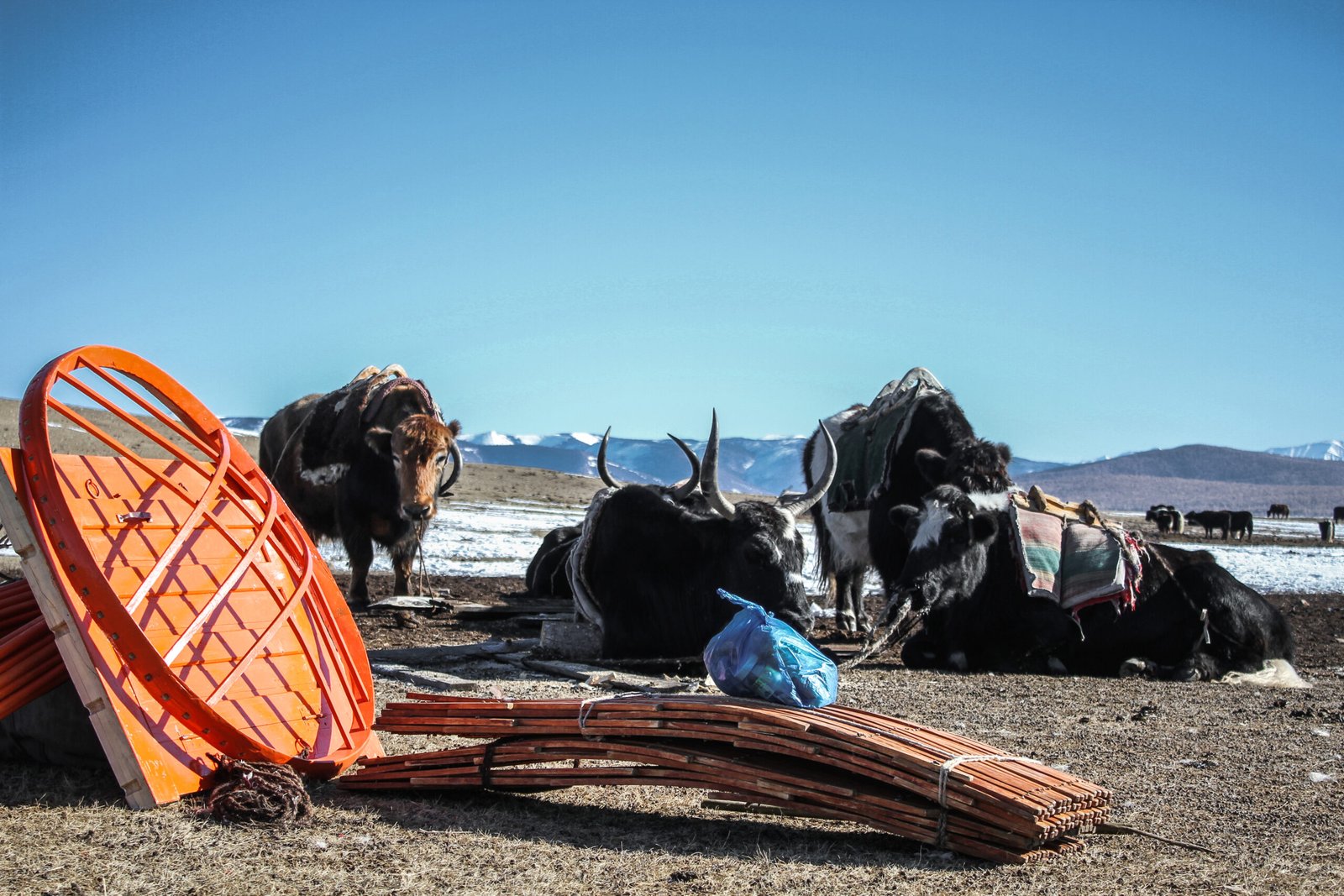
The Maanar people will take part in the event through the initiative “One Family-One Yurt.” They will set up traditional yurts along the banks of the Jargant River, specially designed to reflect local characteristics, and plan to stay there for two nights in the winter cold.
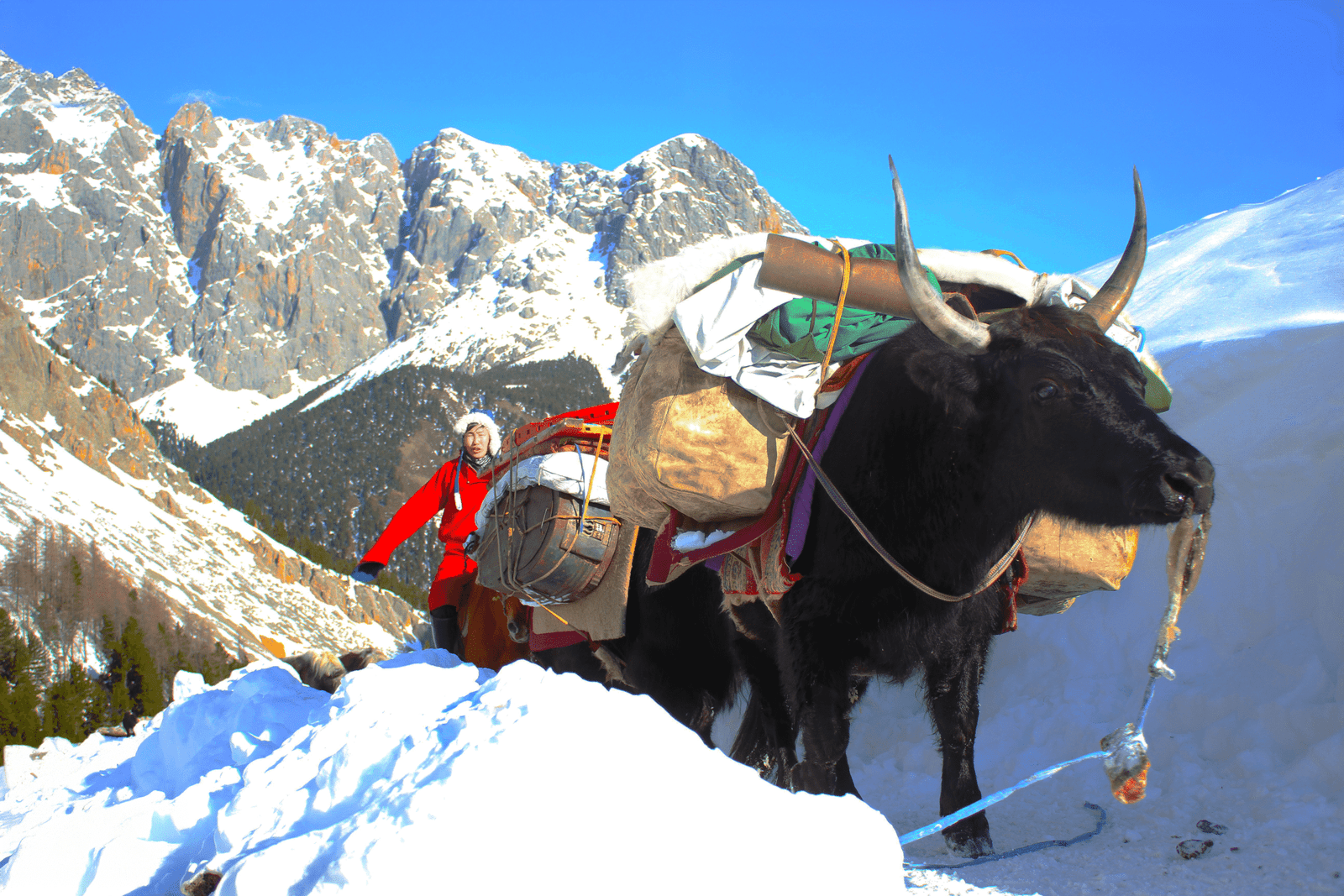
Each yurt will accommodate four to five people. The local participants will be responsible for showcasing their lifestyle by providing visitors with warm clothing suited to the harsh climate, fur bedding, traditional food, firewood, and transportation such as horses and reindeer, thereby offering an authentic cultural experience.
The local authorities will work to promote their historical and cultural heritage while creating opportunities for additional income. They will also take part in the event with a shared responsibility to organize it in a way that protects and preserves their sacred and pristine natural environment.
The rituals will be conducted by the shamans and priestesses of the Samgaldai Center. Three major ceremonies will be held: the Water Spirit Offering dedicated to the Jargant River, the Fire and Hearth Ritual performed in each yurt, and the Great Fire Ceremony uniting all participants.
Note: This event will be held on a paid basis, with limited participation and centralized organization.
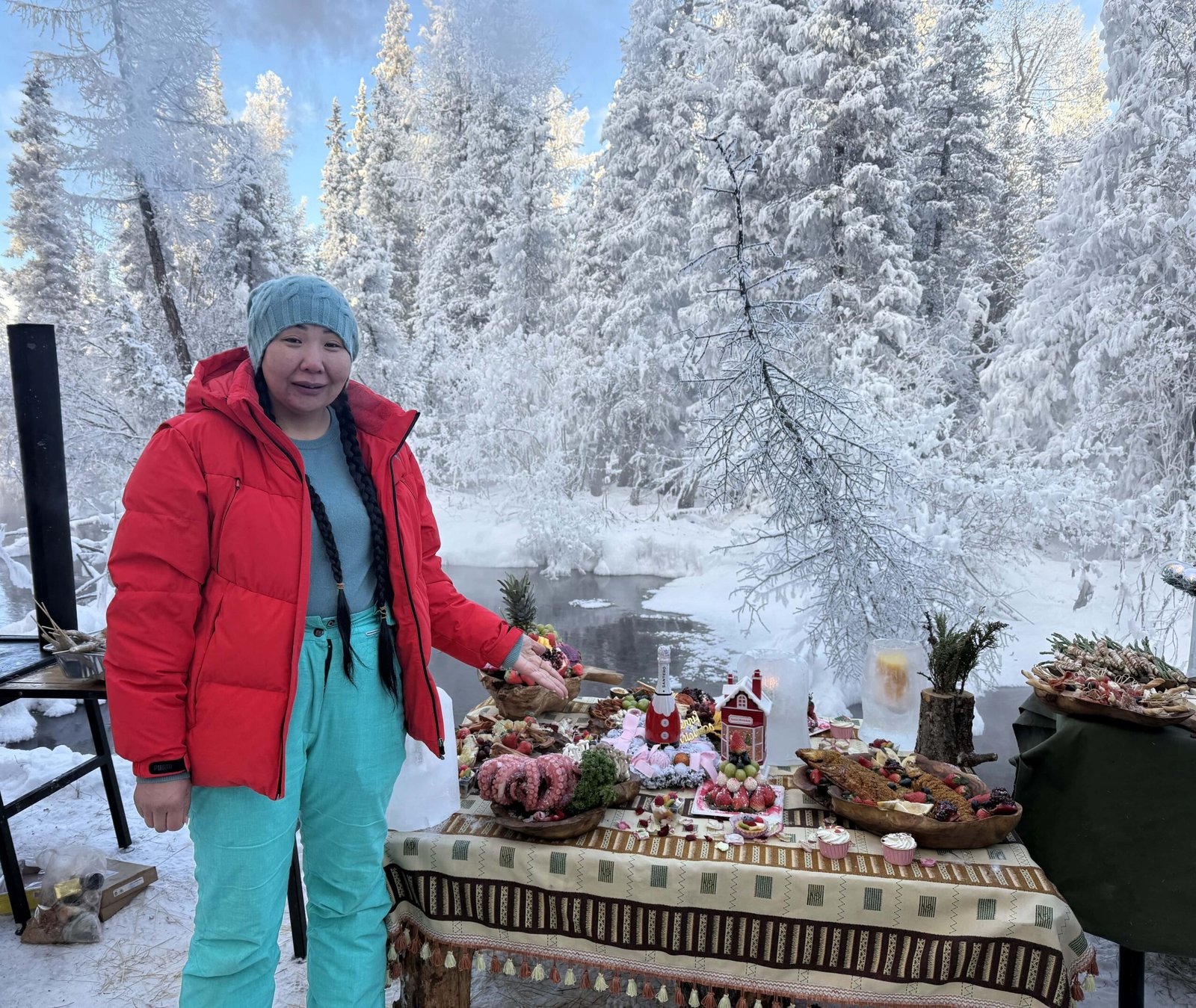
Opening ceremony of respect and devotion. The event will begin with offerings and prayers to the guardian spirits of the Maanar land. Participants will present ceremonial tea offerings, including black tea, Jodoi tea, pine resin tea, Baavar tea, and salty milk tea.
Presentation on the history and geography of the Darkhad Depression and introduction to the Jargant River, which remains unfrozen and ever-green even in the harshest winter.
Lunch. /Introduction to Maanar cuisine and tea culture/
Water Spirit Offering ceremony at the Jargant River.
Dinner
Fire Ritual in each yurt. Demonstration of Darkhad shamanic traditions, including blessings, healing rituals, and cultural performances led by shamans.
Rest and tasting of Taiga Ritual Drink.
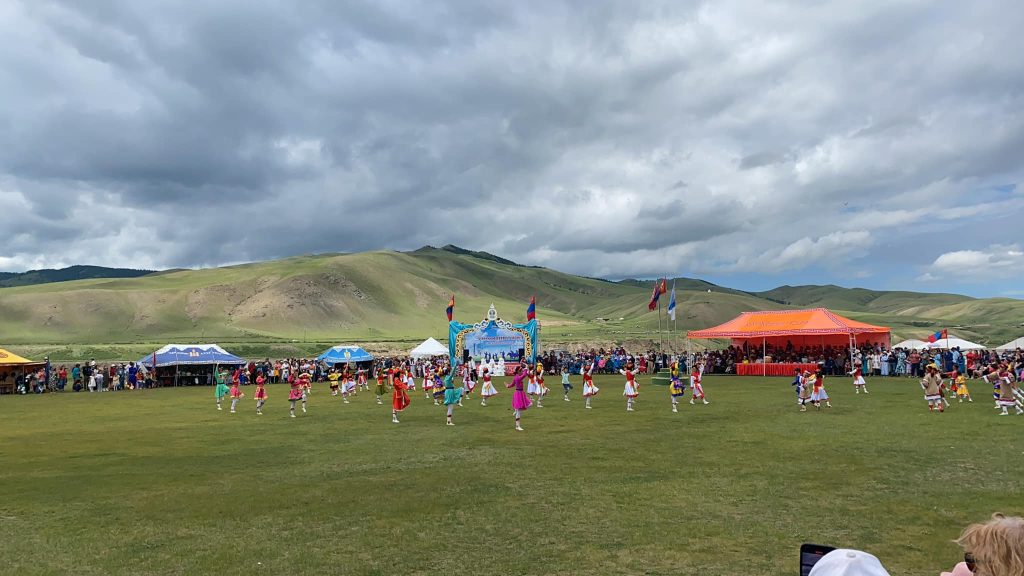
Traditional Maanar games and competitions such as Khorol, Uusen, and various snow games.
Guest introductions and a photo contest featuring the Maanar homeland and the Jargant River.
Lunch
Snow Blessing Ritual. In Darkhad belief, there are three divine mothers known as the “Javartai Spirits.” They are shamanic deities who, through sacred rituals and offerings to nature, perform the Snow Blessing ceremony to cleanse misfortune and discord from people’s lives.
Grand Fire Ceremony. Offerings and communal fire festival.
Rest.